
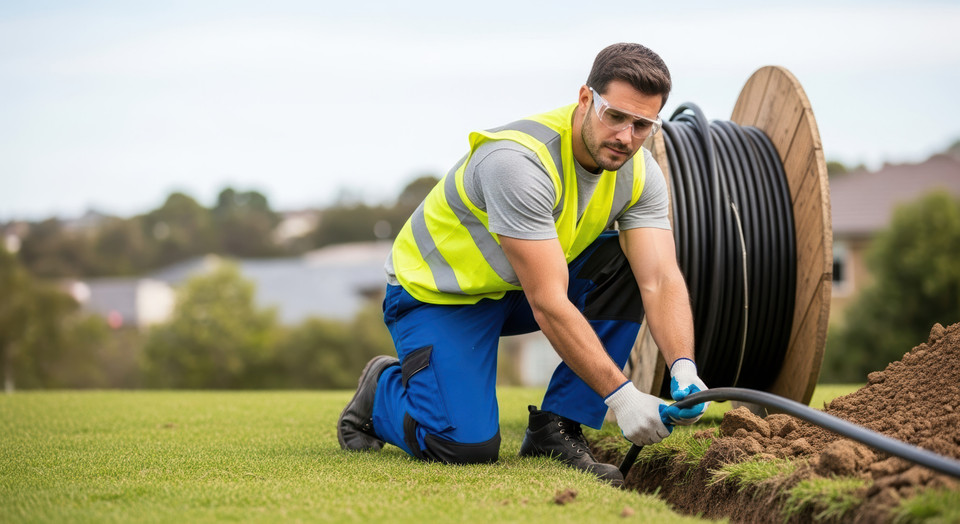
Cables play a vital role in modern infrastructure. They power equipment, carry data, and support communication networks across homes, businesses, and industrial environments. Despite their importance, cables are often overlooked when it comes to maintenance and proper installation. When cables are damaged, it can lead to poor performance, safety hazards, and costly repairs.
Understanding the common causes of cable damage, and how to prevent them, can help extend the life of your cables and keep your systems running efficiently.
The Impact of Cable Damage
Damaged cables can cause a variety of problems, from minor connectivity issues to serious safety risks. Poorly maintained cables can lead to signal loss, slow data transmission, electrical shorts, and in some cases even fire hazards. In industrial or utility settings, cable failure can result in equipment downtime and expensive repairs.
Taking proactive steps to protect cables during storage, installation, and everyday use can significantly reduce these risks.
Common Causes of Cable Damage
1. Physical Stress and Improper Handling
One of the most frequent causes of cable damage is physical stress. Pulling, twisting, or sharply bending cables can weaken internal conductors and damage insulation.
Examples include pulling cables by the cord instead of the connector or bending cables around tight edges. Proper routing and cable management tools can help prevent this type of damage, especially when working with professional Fiber Cable Installation equipment.
2. Improper Storage
How cables are stored can also affect their lifespan. Cables that are tightly coiled, tangled, or stacked under heavy objects can develop internal damage before they are even installed.
To prevent this, cables should be stored loosely coiled in a dry environment and kept organized using reels, hooks, or storage bags. This helps maintain the integrity of both electrical and Fiber Optic Cable products.
3. Environmental Exposure
Environmental conditions such as extreme temperatures, moisture, chemicals, and UV exposure can degrade cable insulation and internal wiring.
Outdoor or underground installations require cables specifically designed for those environments. Using proper conduits and protective materials helps ensure long-term performance.
4. Electrical Overload
Using cables that are not rated for the electrical load they are carrying can cause overheating and insulation damage. This can eventually lead to equipment failure or fire hazards.
Always verify that the cable’s voltage and current ratings match the needs of the application.
5. Abrasion and Friction
Cables that rub against rough surfaces or move repeatedly during operation can experience abrasion that wears away insulation.
Protective sleeves, proper routing, and secure mounting can help reduce friction and protect cables from wear.
The Importance of Bend Radius in Fiber Optic Installations
When working with fiber optic systems, maintaining the minimum bend diameter (MBD), also called the minimum bend radius, is critical. Fiber optic cables contain delicate glass fibers that can be damaged if the cable is bent too tightly during installation.
Research presented at the International Wire and Cable Symposium showed that fiber cables can experience crushing forces when pulled with too much tension or around bends that are too small. Even shallow bends can cause damage if the bend radius is too tight.
Traditional installation methods that use small rollers or channel guides can create pressure points that increase sidewall tension and risk damaging the cable.
Using Fiber Quad Blocks for Safer Installations
Fiber quad blocks provide a safer alternative for guiding fiber optic cable during installation. Instead of relying on multiple small rollers, quad blocks use a smooth, curved channel that maintains the proper bend radius as the cable is pulled.
This design reduces sidewall pressure and helps prevent crushing forces that can damage the fiber. Quad blocks are especially important when installing high-count fiber cables or performing longer cable pulls.
Using quad blocks together with quality Pull Lubricant can further reduce friction during installation. Installers also rely on Fishing & Rodding Equipment to guide cables through ducts, conduits, and tight spaces while minimizing strain on the cable.
Best Practices for Protecting Cables
Preventing cable damage comes down to proper planning and the right equipment. Some key best practices include:
- Selecting the correct cable type for the environment and application
- Maintaining proper bend radius during fiber installations
- Using cable management systems to organize and secure cables
- Reducing friction and tension during cable pulls
- Performing routine inspections to identify wear or damage early
- Following these practices helps improve reliability, reduce maintenance costs, and ensure safer installations.
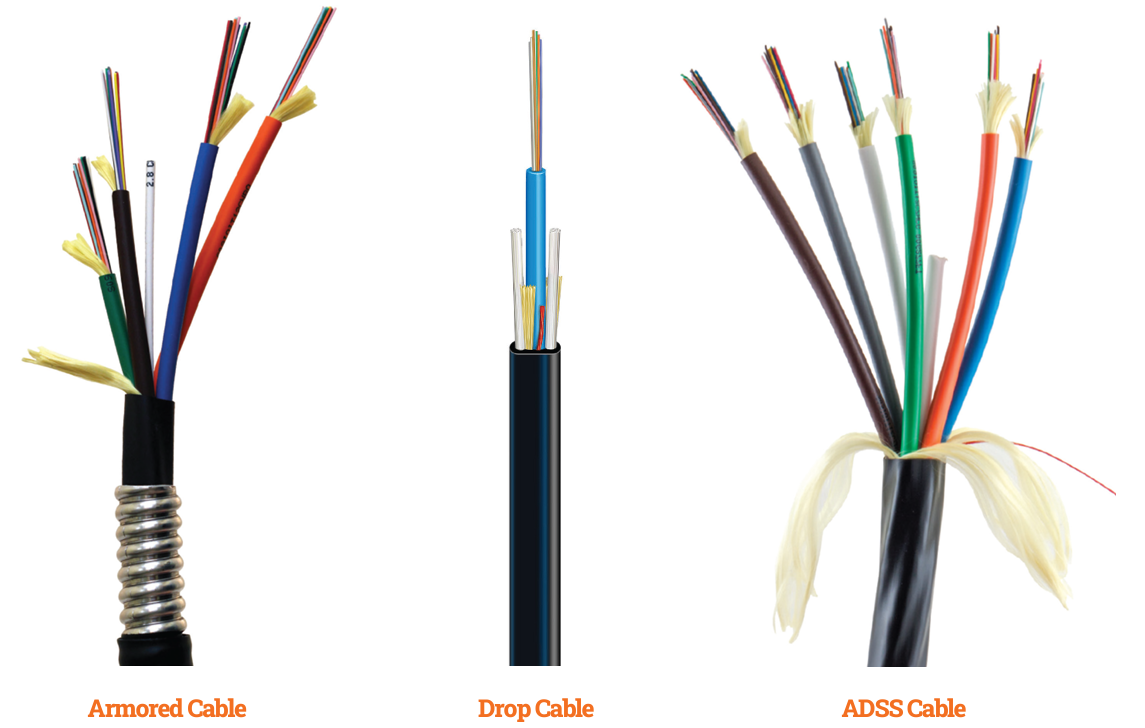
Cable Types
- Armored Cable: GUS armored fiber optic cable features an additional layer of protective armor – typically made of metal or polyethylene – to shield the delicate glass fibers from damage. This enhanced protection makes it suitable for harsher environments and applications where the cable might be exposed to physical abuse, like outdoor installations, direct burial, or areas with heavy traffic and rodents.
- Drop Cable: Our flat drop fiber optic cable is designed for drop applications, often used to connect a main fiber optic trunk to a specific user location. It’s characterized by its flat or ribbon-like shape, making it easy to install and connect to existing infrastructure. The flat design allows for easy installation and connection, especially in areas with limited space or when connecting to existing drop lines.
- ADSS Cable: Our ADSS cable is designed for aerial applications and does not contain any metallic elements. It is designed to support itself between structures, eliminating the need for a messenger wire or lashing wire, and allowing for a single-pass installation. This non-metallic construction makes it non-conductive and suitable for use near live power lines.
About Georgia Underground Superstore
Georgia Underground Superstore is a trusted supplier of professional equipment and materials for underground utility and fiber optic installations. We provide contractors and industry professionals with high-quality products including Fiber Optic Cable, Fiber Cable Installation tools, Pull Lubricants, and Fishing & Rodding Equipment designed to make installations safer, faster, and more efficient. With expert support and a wide selection of industry-leading products, Georgia Underground Superstore helps ensure every project is completed with confidence.
Find all Fiber Optic Cable, Cable Handling & Installation Equipment here: Fiber Optic Cable, Cable Handling and Installation