
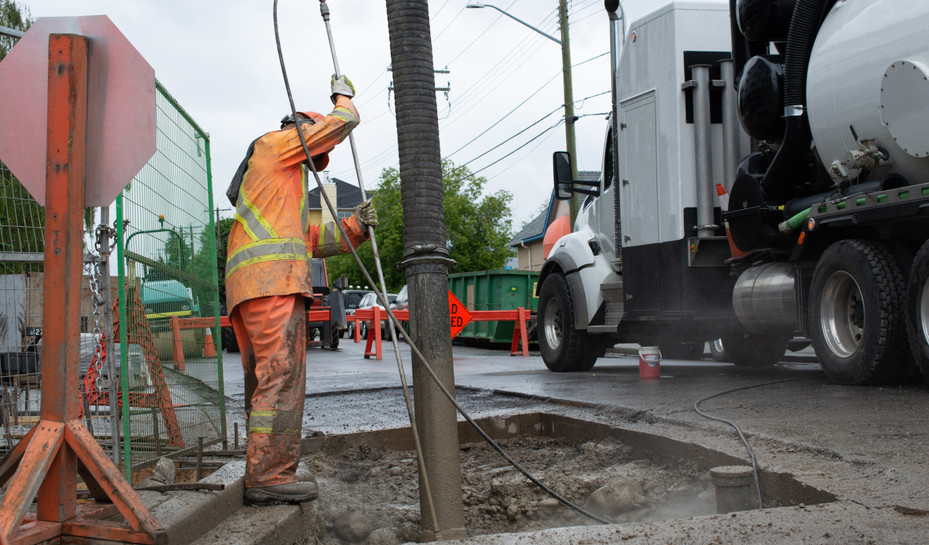
Summer is one of the busiest seasons for utility crews. Longer days and increased project demand mean teams are working hard to stay productive while navigating extreme heat, unpredictable storms, and challenging ground conditions. But weather is not the only risk crews face during excavation work.
One mistake underground can create serious consequences above it.
Striking a buried utility line can lead to injuries, damaged infrastructure, costly repairs, project delays, and service interruptions for entire communities. In an industry where time, safety, and precision matter, shortcuts often create bigger problems than they solve.
That is why safe digging practices, and doing the job right the first time, are critical for every crew and every project.
The hidden cost of rushing the job
In utility work, it is easy to feel pressure to move quickly. Schedules are packed, temperatures are high, and crews want to stay on pace. Sometimes a step gets skipped, measurements are not double-checked, or someone assumes something “should be fine.”
At first, the shortcut may seem harmless.
But when work is not done correctly the first time, the cost adds up fast. A return trip means more labor, more fuel, more materials, and lost time that could have been spent completing another project. One small mistake can throw off an entire day’s schedule and create stress for the whole crew.
The reality is simple: the fastest way to complete a job is to not have to redo it.
Strong teams understand that efficiency is not about rushing. It is about consistency, preparation, and attention to detail.
Safe digging begins with a plan
One of the best ways to avoid costly mistakes is to prepare before excavation even begins.
The Gas Technology Institute (GTI) identifies vacuum excavation as a best practice for safe digging because it helps reduce the risk of damaging underground utilities while improving overall jobsite safety. But safe excavation also depends on planning for changing site conditions and understanding how the work will be completed before the first shovel or nozzle touches the ground.
Crews should account for varying soil conditions, moisture levels, debris, and weather impacts before starting work. Planning ahead allows teams to adapt quickly when conditions change, helping projects stay both safe and productive.
Call 811 before every dig
No matter how experienced the crew is, calling 811 remains one of the most important steps in the excavation process.
By contacting 811 or submitting a request online before digging begins, crews can identify the location of underground utilities and reduce the risk of dangerous utility strikes. Utility companies will mark underground lines at no cost, helping protect workers, infrastructure, and nearby communities.
Skipping this step to save time often leads to much bigger delays later.
Small mistakes create bigger problems
In excavation and utility work, one overlooked detail rarely stays small.
A rushed connection, improper excavation technique, or failure to follow safety procedures can create a chain reaction that affects multiple jobs and multiple people. Return visits push schedules back, crews feel rushed trying to catch up, and stress increases throughout the day.
That is when even more mistakes tend to happen.
The best crews avoid this cycle by focusing on quality from the start. They communicate clearly, follow proven processes, and understand that every step affects the next one.
Follow proper safety protocols
Even with advanced excavation methods like hydrovac or vacuum excavation reducing the need for manual digging, safety protocols still matter on every jobsite.
Crews should always wear proper PPE and follow site-specific safety procedures regardless of weather conditions or project timelines. Safe habits protect workers, reduce liability, and help prevent avoidable incidents that slow projects down.
GTI also recommends closely monitoring water temperature and pressure during excavation. If heated water is used, temperatures should not exceed 115 degrees Fahrenheit, and water pressure should stay below 2,500 psi. Pressurized air or water wands should never remain motionless during excavation, and operators should avoid aiming directly at underground facilities.
Maintaining the correct distance is equally important. GTI recommends keeping at least 8 inches between the nozzle and underground utilities or subsoil while excavating within the tolerance zone. The nozzle should never be inserted directly into the subsoil in these areas.
These small operational details make a major difference in preventing damage underground.
Maintenance matters more than most realize
Doing the job right also means taking care of the equipment that makes the work possible.
During summer months, dry and sandy soil can create significant debris buildup inside hydrovac tanks and equipment. Without proper maintenance, that buildup can reduce performance, create downtime, and increase the likelihood of equipment issues in the field.
Routine cleaning, inspections, and proper vehicle storage help crews stay efficient and avoid unnecessary delays during peak digging season.
Quality is everyone’s responsibility
Safe, efficient excavation is not just the responsibility of management or one crew member - it belongs to everyone on the jobsite.
Leaders provide training, systems, and expectations, but execution happens in the field every day. The most successful crews operate with a shared understanding that quality is not optional. It is the standard.
Doing the job right means slowing down enough to verify measurements, ask questions when something is unclear, and follow the full process instead of relying on guesswork. These habits may only take a few extra minutes, but they prevent hours of costly rework later.
Better work creates better outcomes
When crews focus on safety, precision, and quality from the beginning, everyone benefits.
Projects stay on schedule, costly callbacks decrease, and infrastructure stays protected. Businesses improve profitability and reputation, while employees experience smoother workdays, less stress, and greater opportunities for advancement.
People remember the crews that consistently get the job done correctly.
As summer utility projects ramp up, the combination of safe excavation practices and a commitment to doing it right the first time helps protect workers, equipment, schedules, and the communities depending on that infrastructure every day.
Because in this industry, “good enough” usually costs more in the end.
Partner with Georgia Underground Superstore
At Georgia Underground Superstore, we understand that successful utility work starts with the right equipment, proper training, and a commitment to safety. From vacuum excavation solutions to underground utility tools and support equipment, we help crews stay productive while reducing the risk of costly mistakes in the field. Whether you are preparing for a busy summer season or looking to improve efficiency year-round, our team is dedicated to helping contractors and utility professionals get the job done safely, correctly, and confidently the first time.