Underground utility locating is an essential safety practice that helps prevent expensive damage, service interruptions, and serious accidents. Every year, excavation mistakes lead to utility strikes that cost billions of dollars in repairs and downtime. That’s why choosing the right locating method, and using it correctly, can make all the difference in keeping a project safe, efficient, and on schedule.
Below are five proven underground utility locating techniques used by professionals today.
- Electromagnetic Utility Locating: The Industry Standard
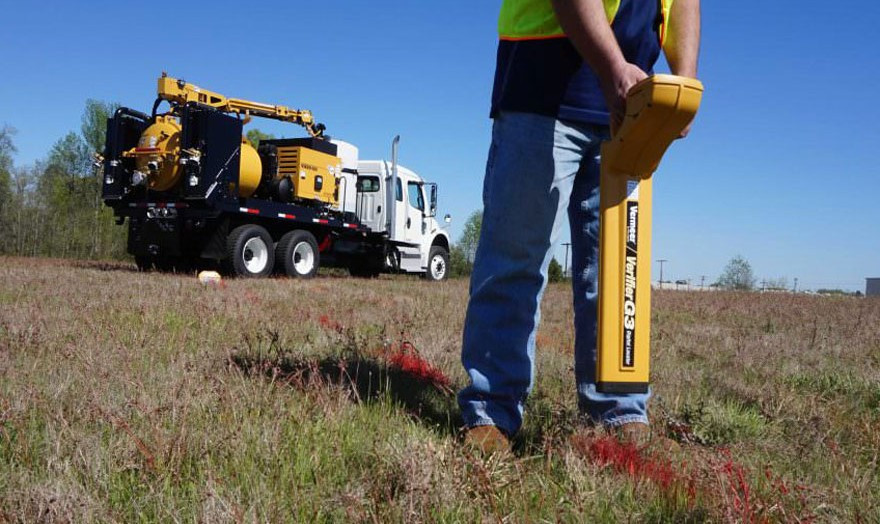
Electromagnetic (EM) locating is the most widely used method for finding underground utilities. It works by using electromagnetic frequencies to detect buried lines that contain conductive materials.
How it works:
- A transmitter generates an electromagnetic signal
- The signal travels through conductive utility components
- A receiver detects the signal and helps map the line’s location
Commonly detects:
- Natural gas lines (when tracer wire is present)
- Electrical cables
- Telephone and cable lines
- Water and sewer lines
- Irrigation systems
For crews that want reliable performance and flexibility in the field, the Schonstedt Rex Multi-Frequency Pipe & Cable Locator is a strong choice. It’s designed for locating water and sewer, electric, telecom, and gas, and offers multiple frequencies - 512 Hz, 33 kHz, and 82 kHz, plus passive locating and sonde detection, while staying lightweight and easy to carry.
Limitations: EM locating cannot find non-conductive materials like plastic, asbestos, concrete, or terra-cotta unless they include a conductive element such as tracer wire. For example, polyethylene gas lines can only be located if tracer wire has been installed alongside the pipe.
Depth capabilities: EM locating is typically effective down to 10 - 15 feet. Most natural gas distribution lines are buried around 3 - 4 feet, while transmission lines may be deeper, though often still less than 10 feet.
- Ground Penetrating Radar (GPR): Advanced Detection Technology
Ground-penetrating radar (GPR) uses high-frequency radio waves to create a detailed view of what’s below the surface. When the radar waves hit buried objects, they reflect back to the receiver and form a visual image of underground features.
Best for:
- Non-conductive pipes and tanks
- Concrete or ceramic utilities
- Underground storage tanks
- Congested utility corridors
Key limitations:
- Soil conditions: Clay, shale, and saline soils can reduce performance
- Target size: Objects generally need to be about one inch in diameter per foot of depth
- Operator skill: Accurate readings depend heavily on training and experience
Pro tip: GPR performs best in sandy soil and becomes less effective in high-conductivity ground conditions.
- Vacuum and Hydro Excavation: Precision Exposure Methods
Potholing (often called soft digging) is a safe way to expose utilities with minimal risk. Instead of guessing, crews can confirm exact depth and position before excavation continues.
Vacuum excavation:
- High-pressure air loosens the soil
- A vacuum removes debris into a containment tank
- Best suited for stable soil conditions
Hydro excavation:
- Pressurized water breaks up the soil
- Material is removed through a vacuum system
- Works especially well in frozen ground or difficult soil
Advantages:
- Near-zero risk of utility damage
- Highly accurate confirmation of depth and location
- Effective across all soil types
- Acoustic Location: Detecting Active Systems
Acoustic locating methods identify sound patterns created by active utility systems, especially those under pressure or leaking. This approach is commonly used when the system itself produces a clear sound signature.
Common uses include:
- Gas leak detection
- Water line break identification
- Pressurized system mapping
- Monitoring active pipelines
Acoustic locating is most effective when utilities are actively flowing, pressurized, or leaking, since those conditions generate distinct noise that can be traced.
- Traditional Dowsing: Experience Meets Intuition
While not supported by scientific testing, some experienced locators still report success using dowsing rods, often metal rods or modified coat hangers, to help identify buried utilities.
Important notes:
- Depth cannot be determined
- Results depend heavily on the operator
- Should only be used as a supplement to verified locating methods
- Effectiveness varies significantly
Historical context: Dowsing has been used since medieval times to search for water and other underground features, though its reliability remains widely debated.
Choosing the Right Method for Your Project
For Natural Gas Lines:
- Start with electromagnetic locating (when tracer wire is present)
- Use GPR for non-conductive pipe systems
- Confirm depth and placement with vacuum or hydro excavation
For Multiple Utility Detection:
- Combine electromagnetic locating and GPR for broader coverage
- Verify critical areas with potholing to confirm exact locations
For Challenging Conditions:
- Begin with hydro excavation for safe exposure
- Use acoustic locating for pressurized systems when needed
Safety First: Professional Standards and Best Practices
Never begin digging without locating and verifying all utilities in the work zone. A safe locating process should always include:
- Call 811: Contact your local utility marking service before excavation
- Wait for markings: Allow time for utilities to be identified and marked
- Verify: Use multiple detection methods when possible
- Document: Keep accurate records of utility locations
- Excavate carefully: Hand dig within marked tolerance zones
To help strengthen documentation and reduce disputes after an incident or near-miss, many organizations rely on tools like the HIT Kit HK20 with Two Identifier Posts, Ruler, and Case. It’s a standardized system designed to clearly record damage to buried infrastructure such as fiber optic lines, pipelines, and electrical facilities, improving photo clarity, consistency, and investigation accuracy.
The Importance of Tracer Wire in Gas Systems
Polyethylene gas lines require tracer wire for electromagnetic locating to work. When tracer wire is installed above or alongside the pipeline, it creates the conductive path needed for standard locating equipment to detect the line.
Tracer wire benefits:
- Makes plastic gas lines locatable
- Supports future locating and maintenance
- Improves long-term safety and compliance
For teams that want to streamline their workflow, the ViperMag Pipe and Cable Locator is an excellent option. It combines active locating frequencies with a ferrous metal detector in a single device, reducing the need to carry two separate tools and making it especially useful for municipalities and utility locating crews.
Visibility and Identification: Marking Utilities Above Ground
Clear, long-lasting identification is just as important as accurate locating, especially for fiber optic and communication infrastructure. Products like the Orange PolyDome Warning Marker for Buried Fiber Optic Cable - 6 ft. provides full 360° visibility and durable, UV-treated construction that holds up in harsh outdoor conditions. With UV-resistant warning text designed to last for years, it helps improve jobsite awareness and supports DOT-style safety compliance.
Magnetic Locators for Added Confidence
In many locating situations, a magnetic locator can provide added confirmation, especially when searching for ferrous objects such as valve boxes, manholes, and buried markers. The Schonstedt Maggie Magnetic Locator combines high sensitivity with ergonomic, single-handed operation, and includes features like an expanding bar graph for polarity and signal strength, HeliFlux sensors, and a dust- and water-resistant IP54 rating, making it a dependable field tool in rough terrain.
Conclusion
Effective underground utility locating blends proven methods with real-world expertise. Electromagnetic locating remains the industry standard, but the most successful projects often use multiple techniques together to ensure complete and accurate detection. Whether you’re installing new gas lines, maintaining critical infrastructure, or preparing a construction site, proper locating protects people, equipment, and property. The cost of professional locating services and quality equipment is always far less than the expense and risk of a utility strike.
About Georgia Underground Superstore
At Georgia Underground Superstore, we support utility professionals, municipalities, contractors, and crews with the tools they need to locate, protect, and document underground infrastructure with confidence. From advanced locating equipment like the Schonstedt Rex Multi-Frequency Pipe & Cable Locator and ViperMag Pipe and Cable Locator, to field-proven solutions like the Schonstedt Maggie Magnetic Locator, safety documentation tools like the HIT Kit HK20, and high-visibility markers like the Orange PolyDome Warning Marker, we’re committed to helping teams work safer, smarter, and more efficiently. Whether you’re tackling a small repair or managing large-scale infrastructure projects, Georgia Underground Superstore is your trusted source for dependable underground utility locating and damage prevention products.